Roofs & rain
Moss on a tiled roof: clean, repair or replace?
A green roof can look alarming from the driveway. But colour alone does not tell you whether the tiles need careful cleaning, local repair or a wider technical inspection.
· 6 min read
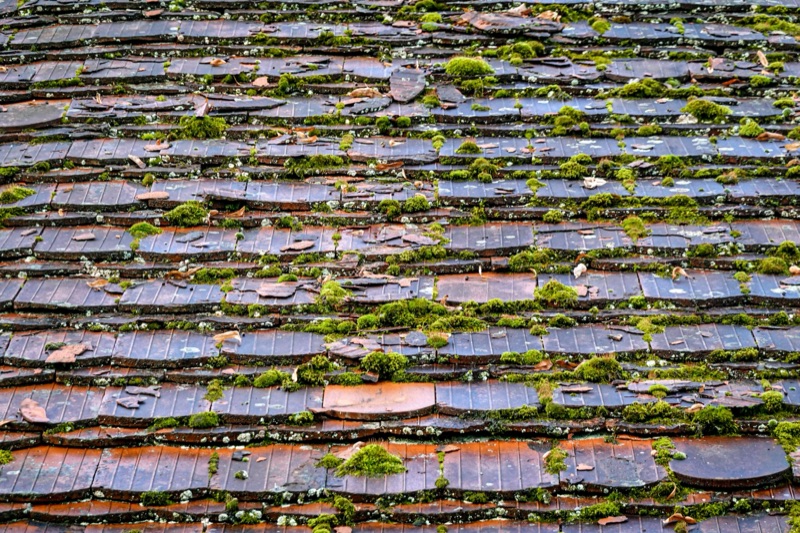
Read the pattern before choosing the work
Thin discolouration on an otherwise sound slope is different from thick growth filling tile channels, valleys or gutters. The useful question is not simply whether the roof looks green, but whether water can still drain and whether the visible roof components remain in place.
Shade, nearby trees, retained debris and slower drying can make some slopes greener than others. That pattern helps plan the inspection, but it does not confirm the condition of hidden waterproofing or structure.
When cleaning may be enough
Cleaning may be the appropriate scope when the tiles appear stable, growth is mainly superficial and valleys, gutters and outlets can be cleared without disturbing fragile details. The method still needs to suit the tile material, finish, age and manufacturer guidance.
High pressure is not a default solution. Tile manufacturers warn that forceful jets can damage finishes and drive water into laps. A controlled method, protection of façades and plants, runoff planning and a small test area are more important than making the roof change colour in one pass.
When repair is a separate job
Cracked or slipped tiles, open ridge details, damaged flashing, repeated leaks and blocked or broken drainage need their own assessment. These defects should be recorded and separated from a cleaning quotation so that the owner can see what each part of the work is meant to achieve.
Local repair can be sensible where defects are limited and the surrounding roof is serviceable. Replacement of a whole roof needs evidence such as widespread material failure, persistent water entry, failed underlay or structural concerns — not moss alone.
- Ask which visible finding supports each recommendation
- Separate cleaning, replacement materials and watertightness work
- Record ridges, valleys, flashings, gutters and penetrations
- Use a roofing specialist where hidden layers or structure must be assessed
Five safe photographs for a useful first review
Photographs cannot prove that a roof is watertight, but they can make the first conversation far more precise. Use phone zoom from the ground, a balcony or another safe position. Never climb onto a wet or sloping roof for an estimate.
- A full view of each visible roof slope
- A closer view of the moss or dark growth
- The eaves, gutters and downpipe outlets
- Any visible cracked, slipped or missing tile
- The access route, working height and nearby pool, panels or plants
Sources and further reading
- Wienerberger — how to clean roof tiles
- Marley — how to clean clay roof tiles
- Reference photograph: Magda Ehlers / Pexels
Manufacturer guidance and the actual condition of the property take priority over general advice.